Digitalization as a Driver of Real Estate Performance and Sustainability
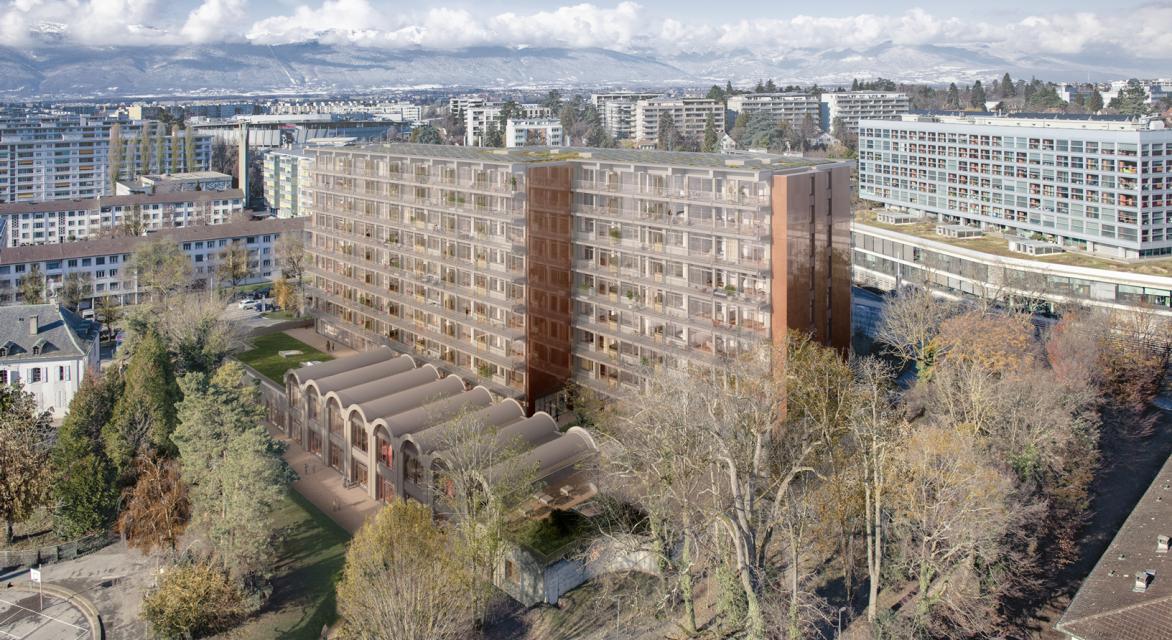
In Geneva, the energy transition of the building stock is no longer a distant prospect but an operational reality. As Le Temps recently noted, the canton aims to “put its buildings on a green diet,” reflecting a clear political commitment to accelerating energy renovation. Between stricter regulations, growing tenant expectations and climate imperatives, property owners face a major challenge: planning and managing building renovations in a structured, coherent and financially viable way.
In this context, digitalization has emerged as a strategic lever. It does not replace human expertise — it enhances it. It does not eliminate the complexity of existing buildings — it helps structure it and guide decision-making. Digital tools provide visibility; their real value lies in how they are integrated into a coherent asset management strategy.
A Building Stock Under Pressure
The Canton of Geneva has committed to significantly reducing CO₂ emissions from buildings, as detailed in its official energy transition roadmap. A large share of the building stock was constructed before ambitious energy standards came into force. High energy consumption, aging technical installations and poorly insulated envelopes represent major challenges within an evolving regulatory framework.
According to the Tribune de Genève, CHF 80 million has been allocated to support energy renovation projects, highlighting both the scale of the challenge and the political will to accelerate transformation.
For institutional and private owners alike, the question is no longer whether to renovate — but how to do so methodically. Where should one begin? Which buildings should be prioritized? How can interventions be phased over time while optimizing investments and complying with legal requirements?
Energy renovation can no longer be approached as a series of isolated actions. It requires a comprehensive vision that aligns environmental performance, financial sustainability and risk management.
In the case of large buildings or structured portfolios, this reflection typically falls within professional asset management. Coordination between owners, service providers and public authorities demands rigorous organization and in-depth local market knowledge.
Digital Tools Available
To support this transformation, several digital solutions have been developed in French-speaking Switzerland. Each addresses specific needs and can be integrated into a broader renovation strategy:
Signa-terre is a portfolio analysis platform that enables property managers and owners to visualize the energy performance of their assets. It provides reliable data on consumption patterns and renovation needs.
E-nno offers energy data collection and optimization solutions that help reduce consumption and improve the operational performance of technical installations.
More recently, RENOWAVE was launched by HEPIA. It is a digital toolbox designed to support municipalities, property owners and professionals in planning and structuring energy renovation projects.
Together, these tools reflect a major shift: energy renovation is no longer based solely on a one-time technical diagnosis, but increasingly on continuous, data-driven management.
Data at the Service of Decision-Making
Using digital tools enables property managers to support owners with informed decisions based on structured and reliable data. These solutions do not replace human expertise; rather, they provide a framework for analyzing buildings, prioritizing actions and integrating renovation into a coherent long-term roadmap.
In large-scale projects, this approach also facilitates coordination between all stakeholders: owners, cantonal authorities, engineers and contractors.
Towards a More Resilient Real Estate Sector
The key challenge is integrating these decision-support tools into a global asset strategy. Sustainable portfolio management requires reliable data, long-term vision and the ability to coordinate multiple stakeholders.
At Pilet & Renaud, we use selected digital tools to support our clients throughout this transition. We are convinced that the future of Geneva’s real estate market lies in combining technological innovation, management rigor and attention to occupants. Digitalization structures strategic thinking; human expertise ensures careful and effective implementation.
Together, these elements contribute to more efficient, sustainable and resilient real estate assets.
For any sustainable renovation project or to benefit from personalized support, please contact our team:
Phone: +41 22 322 55 52
Email: renovation@pilet-renaud.ch